VA Survivor Benefits After a Veteran's Death
Trustworthy's Family Operating System® automatically organizes your most important information and turns it into answers, guidance, and action.
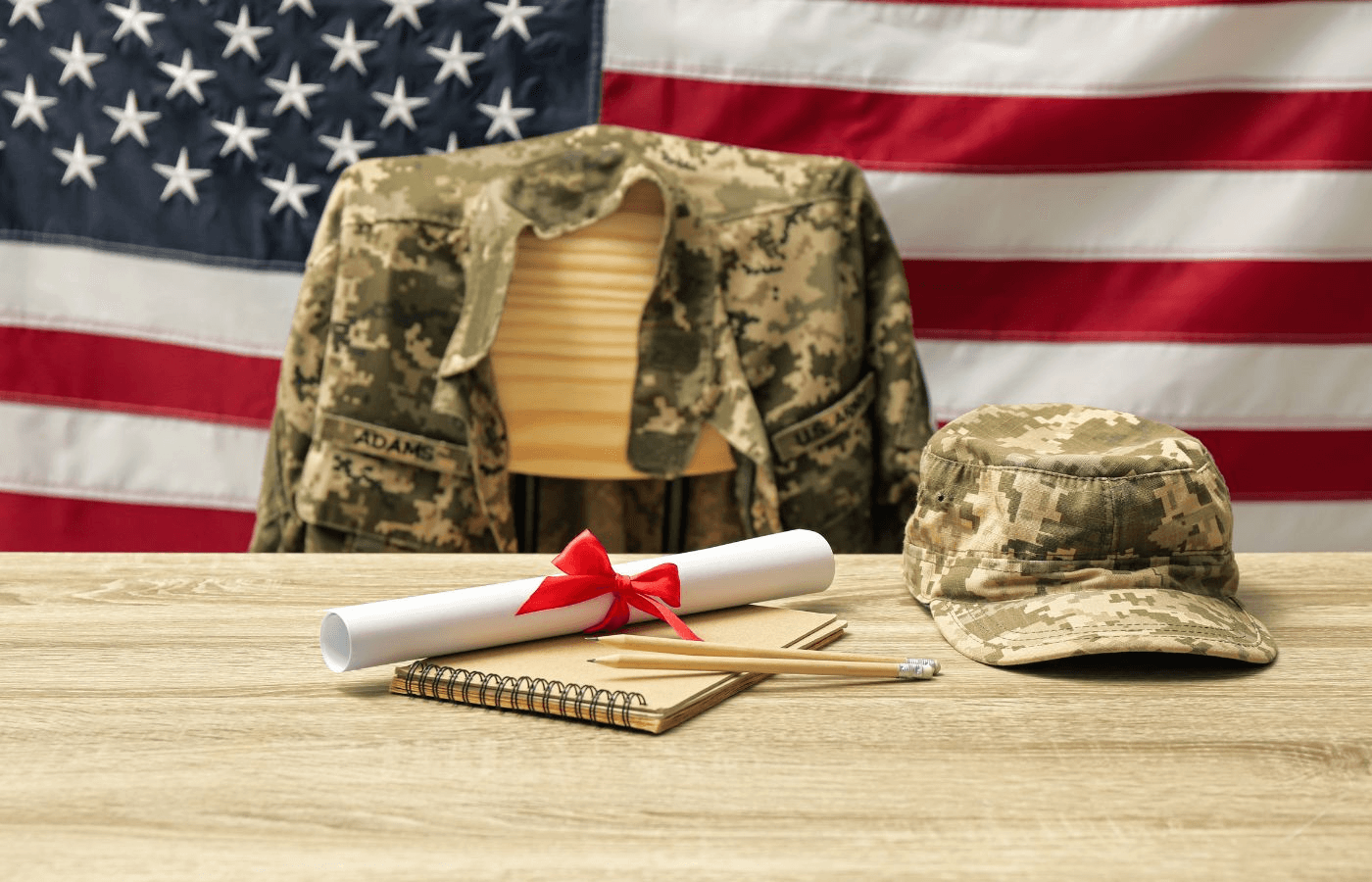
When a veteran passes away, the U.S. Department of Veterans Affairs provides several survivor benefits to help support eligible family members.
These programs include monthly compensation for service-connected deaths, needs-based pensions for low-income survivors, health care, education assistance, and burial and memorial benefits.
This Q&A article explains what VA benefits are available after a veteran dies, who qualifies, how long they last, and how to apply.
VA Survivor Benefits and Eligibility
Q: What VA benefits are available after a veteran dies?
A: Eligible survivors may receive one or more of the following programs, depending on the veteran’s service and the survivor’s circumstances:
Dependency and Indemnity Compensation (DIC).
Survivors Pension.
Health benefits.
Education assistance.
VA burial and memorial benefits.
These benefits are governed by different eligibility rules, so a survivor may qualify for some but not others.

Q: What is Dependency and Indemnity Compensation (DIC)?
A: DIC is a tax-free monthly benefit paid to surviving spouses, dependent children, or in some cases dependent parents. It applies when a veteran dies from a service-connected condition or had a qualifying long-term total disability rating. DIC payments are not based on income or net worth.
Q: What is the Survivors Pension, and who qualifies?
A: The Survivors Pension is a needs-based VA benefit for low-income surviving spouses and dependent children of wartime veterans. Eligibility is based on the survivor’s income and net worth, which must fall below annual limits set by Congress. Certain unreimbursed medical expenses may reduce countable income and help survivors qualify. The veteran must also have served during a VA-recognized wartime period and meet discharge requirements.
Q: What wartime periods count for VA pension purposes?
A: The VA recognizes specific wartime periods including World War II, the Korean War, the Vietnam War, and the ongoing Persian Gulf War, which, for compensation and pension purposes, has no declared end date as of 2025.
Q: How can families organize documents needed for VA survivor claims?
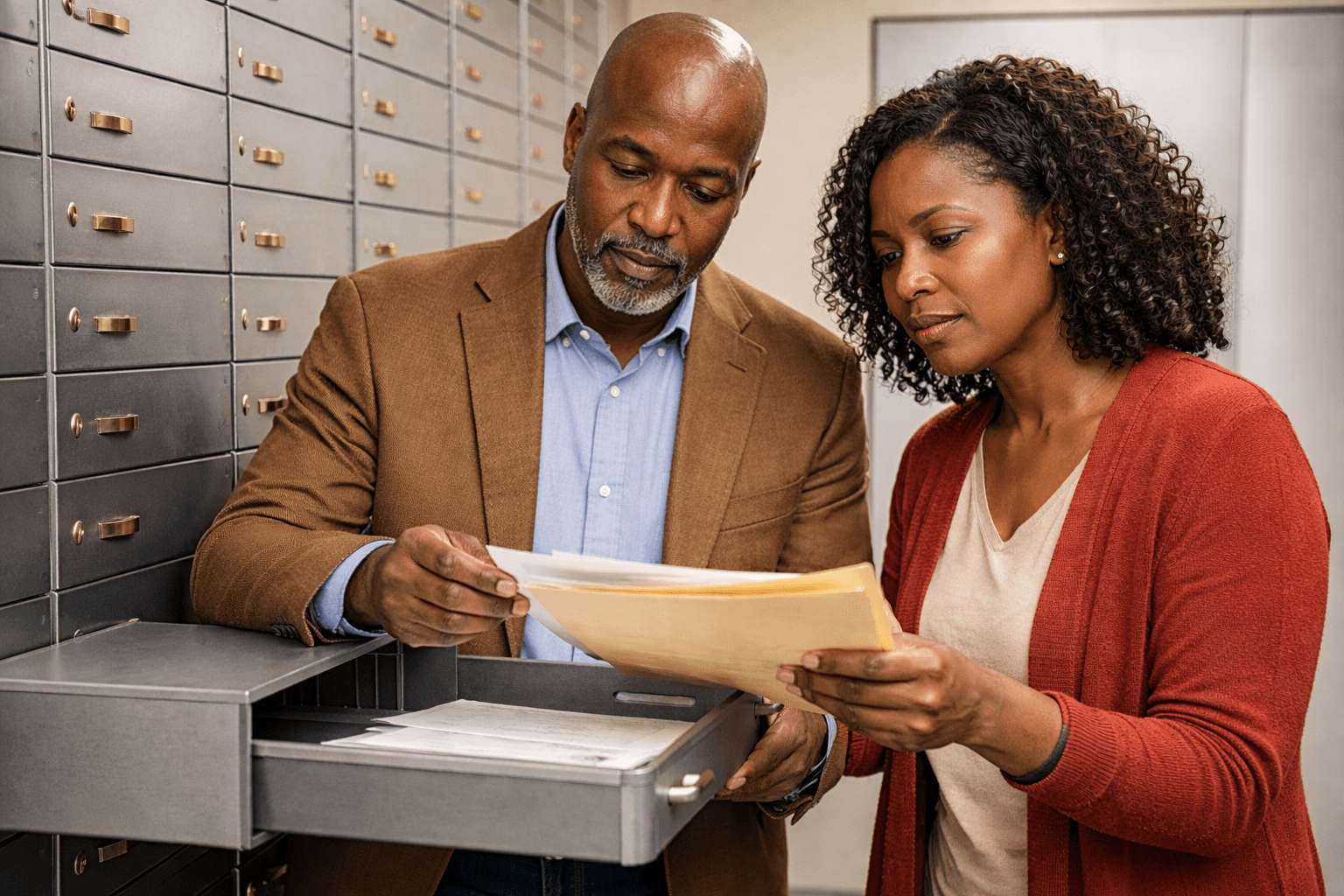
A: Trustworthy allows families to securely store DD214s (discharge records), disability decisions, marriage certificates, financial documents, and medical records in a secure, private, and accessible digital vault. Keeping documents organized helps prevent delays when applying for VA benefits.

Benefits for Surviving Spouses and Children
Q: What VA benefits can a surviving spouse receive after a veteran's death?
A: A surviving spouse may qualify for DIC, the Survivors Pension, healthcare through the Civilian Health and Medical Program of Veterans Affairs, Survivors' and Dependents' Educational Assistance, and burial or memorial allowances. Each benefit has distinct eligibility criteria.
Q: When can a surviving spouse receive DIC benefits?
A: Yes. DIC is available if the veteran died from a service-connected condition or had a qualifying total disability rating for the required period before death. DIC remains one of the most significant VA benefits for surviving spouses.
Q: When can a spouse receive the Survivors Pension?
A: A surviving spouse may qualify if the veteran served during a VA-recognized wartime period and the spouse meets income and net-worth limits.
The pension continues as long as the survivor remains eligible and does not remarry unless the remarriage meets a statutory exception (such as remarriage after age 55 under current rules).
Q: Can dependent children receive VA survivor benefits?
A: Yes. Dependent children may qualify for DIC benefits, the Survivors Pension, CHAMPVA health coverage, or Survivors' and Dependents' Educational Assistance.
A child must be unmarried and either under 18, under 23 while enrolled in a VA-approved school, or permanently incapable of self-support due to a disability that began before age 18.

Q: Can dependent parents qualify for VA benefits?
A: In limited cases, dependent parents may qualify for Parents' DIC, a needs-based benefit separate from benefits for spouses and children.
Q: Who receives benefits when a veteran dies if multiple family members are eligible?
A: Benefits do not distribute automatically. Each program pays only the survivor who meets that program’s criteria.
For example, DIC benefits may be paid to a spouse, while education assistance may go to a child, and a burial allowance may be paid to the responsible party for final expenses.
Health Care and Education Benefits for Survivors
Q: How does CHAMPVA work, and who is eligible for it?
A: CHAMPVA provides health care coverage to eligible spouses and children of veterans who are permanently and totally disabled due to service-connected conditions or who died from such conditions.
Q: How much financial assistance do these survivor programs provide?
A: DIC rates are set annually and are not based on income. The Survivors Pension depends on a survivor’s income, net worth, and the maximum annual pensionrate (MAPR).
Burial benefits vary based on the circumstances of death and are updated every Oct. 1. Education benefits follow a separate payment schedule that adjusts annually.
VA Burial, Funeral, and Memorial Benefits
Q: What burial benefits does the VA offer after a veteran dies?
A: Survivors may receive a burial allowance, reimbursement for funeral or burial costs, a government-furnished headstone or marker, a burial flag, and a Presidential Memorial Certificate. The VA may also reimburse transportation costs in certain cases.
Payment amounts vary each year and depend on whether the death was related to military service.
Q: Does the VA offer grief counseling or support after a veteran’s death?
A: Yes. The VA provides grief counseling and transition support for families of service members who die while on active duty.
Duration and Continuation of Survivor Benefits
Q: How long do DIC benefits last for a surviving spouse?
A: DIC benefits typically continue for life unless the spouse remarries before age 55.
Q: How long does the Survivors Pension last?
A: The Survivors Pension continues as long as the survivor meets the VA’s income and net-worth limits. The pension ends if a spouse remarries (with limited exceptions) or if a dependent child no longer meets the age or dependency rules.
Applying for VA Survivor Benefits
Q: How do survivors apply for VA benefits after a veteran dies?
A: Survivors can apply online at VA.gov, by mail, by fax, or in person at a VA regional office. Applications may require the veteran’s DD214, marriage or birth certificates, medical records, financial documentation (for the Survivors Pension), and evidence supporting service connection for DIC claims.
Q: What happens after a survivor submits a VA claim?
A: The VA sends a confirmation of receipt and begins reviewing the evidence. The VA may gather additional documentation. After review, the VA issues a written decision, which arrives by mail within about one week of the decision date.
Q: How long do VA survivor benefit claims take to process?
A: Processing times vary by benefit type. Most DIC and Survivors Pension claims take several months, depending on complexity and whether all required documents were provided during submission.
The Bottom Line
Understanding VA survivor benefits can feel overwhelming, especially during an already difficult time. Knowing which programs apply to your family — whether DIC benefits, the Survivors Pension, CHAMPVA, education benefits, or burial allowances — helps ensure you receive the support the veteran earned through their service.
Organizing essential documents in advance can make the claims process smoother, and tools like Trustworthy help families keep everything organized when it’s needed most. If you believe you may qualify for survivor benefits, gathering your records and filing a claim promptly can help you access the financial, medical, and memorial support available through the VA.
We’d love to hear from you. Feel free to email us with any questions, comments, or suggestions.