Who Can Access a Safety Deposit Box After a Death
Trustworthy's Family Operating System® automatically organizes your most important information and turns it into answers, guidance, and action.
Key Takeaways
Access to a safety deposit box is typically restricted immediately after a death.
Executors or court-appointed representatives must provide documentation to gain access.
Delays can prevent families from retrieving wills and other critical documents.
Storing important documents in accessible, secure digital systems helps avoid complications.
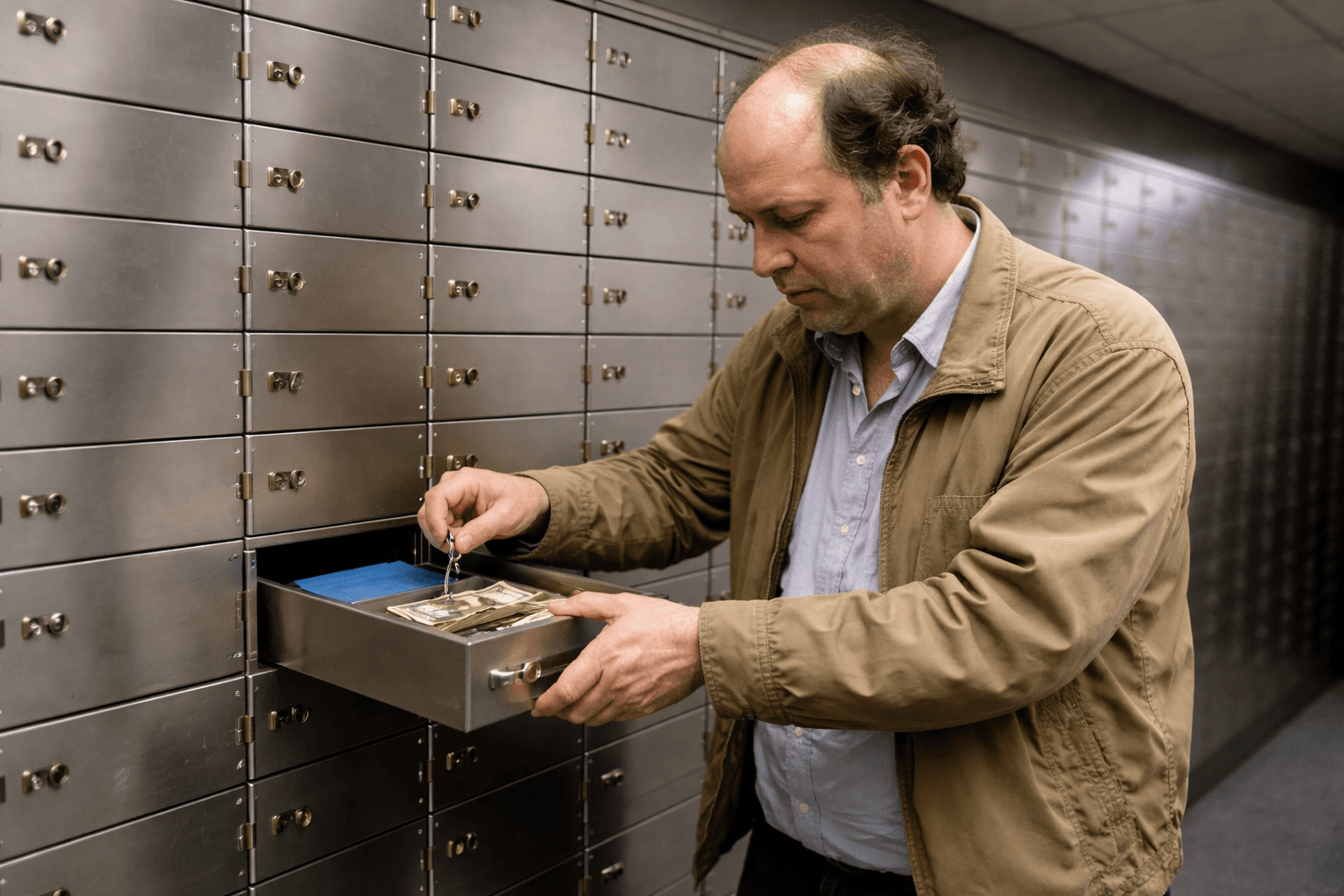
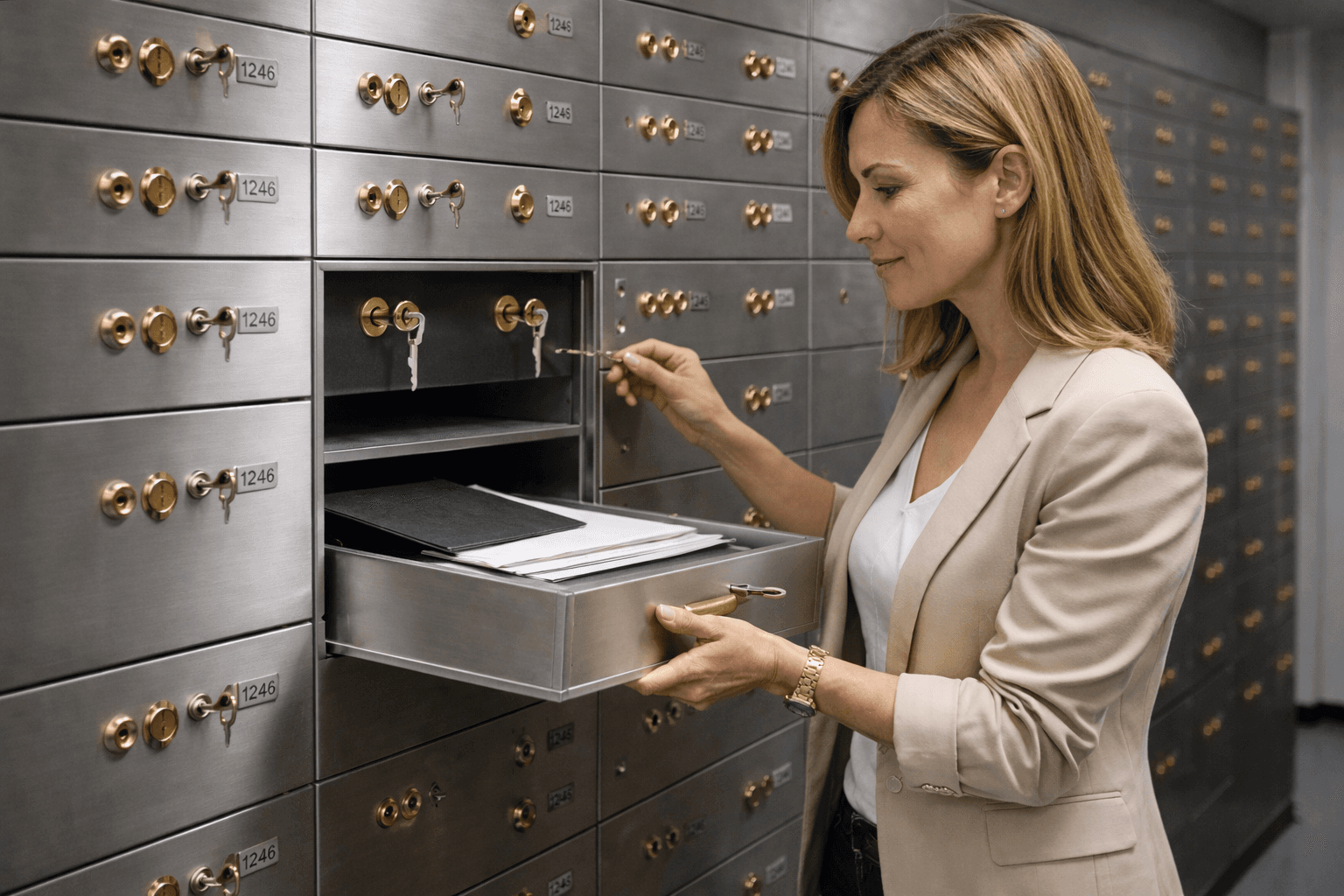
When someone passes away, their safety deposit box doesn’t simply become accessible to family members. In most cases, access is restricted immediately—often at the exact moment the bank is notified of the death.
That can create unexpected delays, especially if important documents are inside.
Understanding who can access a safety deposit box after death—and how the process works—can help you avoid complications and consider better ways to store important documents.

What Happens to a Safety Deposit Box When Someone Dies
Q: Who can access a safety deposit box immediately after death?
A: In most cases, no one can access the box right away.
Once a bank learns that the box owner has died, it typically seals the box until proper legal documentation is provided. Even close family members — spouses, children, or other relatives — are usually denied access unless they are legally authorized.
Q: Does a joint owner still have access?
A: If the safety deposit box is jointly owned, the surviving owner may still have access, but this depends on how the account was set up and the bank’s policies.
Some banks allow continued access for joint owners. Others may still impose restrictions until documentation is reviewed.
Q: Who is legally allowed to access the box?
A: Access is generally limited to:
The executor named in the will.
A court-appointed personal representative.
A joint owner (in some cases).
Even then, access isn’t automatic. The individual must provide documentation proving their authority.
Why Is a Court Order Often Required?
Q: Why can’t family members just open the box?
A: Banks restrict access to prevent unauthorized removal of assets and to ensure the estate is handled properly. Without these safeguards, there would be no way to confirm:
What was in the box.
Whether items were removed legally.
Whether the deceased’s wishes are being followed.
Q: What documents are needed to gain access?
A: Requirements vary by state and institution, but typically include:
A certified death certificate.
Proof of executor or administrator status.
Court-issued documents (if probate is required).
In some cases, a bank representative may need to be present when the box is opened and an inventory is taken.
How Long Does It Take to Access a Safety Deposit Box?
Q: Is access immediate once paperwork is submitted?
A: Not always. Even with proper documentation, access can take days or weeks depending on:
The bank’s internal procedures.
Whether probate has begun.
Whether additional verification is required.
Q: What problems can delays cause?
A: Delays can create real challenges for families, especially when critical documents are inside the box.
Common issues include:
Inability to locate the will.
Delays in settling the estate.
Difficulty accessing insurance or financial information.
Complications with funeral or burial arrangements.
In some cases, families find themselves in a circular situation — needing the will to access the box, but needing access to the box to find the will.
Why Storing Certain Documents in a Safety Deposit Box Is Risky
Q: Should you keep your will in a safety deposit box?
A: In most cases, no.
Because access is restricted after death, storing your will in a safety deposit box can delay the very process it’s meant to guide. Your executor may need court approval just to retrieve it.
Related: Are Safety Deposit Boxes Insured?
Q: What other documents can become inaccessible?
A: Documents that may be urgently needed — but difficult to access — include:
Powers of attorney.
Insurance policies.
Property records.
Identification documents.
Financial account details.
If these are locked away, your family may not be able to act quickly when it matters.
Better Ways to Ensure Access to Key Documents
Q: How can you make documents available to the right people?
A: The key is balancing security with controlled access.
A better approach allows you to:
Decide who can see specific documents.
Grant access without giving up full control.
Ensure information is available without legal delays.
Q: How does digital storage help?
A: A secure digital vault removes many of the barriers associated with physical storage.
Instead of relying on bank hours, paperwork, and court approvals, you can:
Store important documents securely.
Organize them so they’re easy to find.
Share access with trusted individuals.
Adjust or revoke access at any time.
With Trustworthy, you can define exactly who has access to each category of information—whether that’s your spouse, a family member, or a professional advisor.
This means your executor doesn’t have to search for documents or wait for approval—they already know where to find what they need.
The Bottom Line
Safety deposit boxes can seem like a secure place to store important documents, but access after death is often anything but simple.
If your family needs court approval just to retrieve essential information, delays are almost inevitable.
A more thoughtful approach is to store critical documents in a way that keeps them secure while ensuring the right people can access them without unnecessary obstacles — especially when more accessible and secure alternatives exist.
That way, when the time comes, your plans can move forward without added complications.
We’d love to hear from you! Feel free to email us with any questions, comments, or suggestions for future article topics.