What Happens to a Digital Safe Deposit Box if You Die or Become Incapacitated
Trustworthy's Family Operating System® automatically organizes your most important information and turns it into answers, guidance, and action.
Key Takeaways
Digital safe deposit boxes ensure essential documents remain secure but are available when you can no longer manage information yourself.
Access planning becomes critical after death or incapacity, when families need documents quickly and reliably.
Modern digital safe deposit boxes, often referred to as digital vaults, allow trusted individuals to request verified access without bypassing legal requirements.

Most people start looking for a digital safe deposit box because they want something simple: a secure place to store important documents and access them from anywhere.
But there’s a question that matters just as much as security: What happens to that information if you can’t manage it yourself anymore?
In real life, emergencies don’t wait. If you’re hospitalized, lose capacity, or die unexpectedly, the people helping you may need fast access to medical directives, insurance policies, tax records, or estate documents.
This article explains how modern digital safe deposit boxes handle continuity, what to expect in both death and incapacity scenarios, and what you can do now to make sure your information stays protected and accessible to the right people.
Understanding Continuity and Access
Q: What does 'continuity' mean for a digital safe deposit box?
A: Continuity refers to what happens to your stored information if you’re no longer able to manage it yourself — whether due to death, illness, or incapacity.
With traditional storage methods, continuity is often an afterthought. Documents may be secure, but they’re not necessarily accessible to the people who need them during a crisis, especially if they don’t know where everything is stored.
Many people still search for a digital safe deposit box, but what they’re usually looking for is a modern digital vault designed to protect important information and make it possible for someone else to step in appropriately when needed.
Q: Why is this question so important?
A: Because access problems tend to show up at the worst possible time.
After a death or medical emergency, families may need to locate insurance policies, financial records, medical directives, or estate documents quickly.
If those documents are hard to find, locked away, or inaccessible, even a short delay can create avoidable stress and complications.
A well-designed digital safe deposit box helps reduce that risk by supporting secure access planning ahead of time.
What Happens After Death
Q: What happens to a traditional safe deposit box when someone dies?
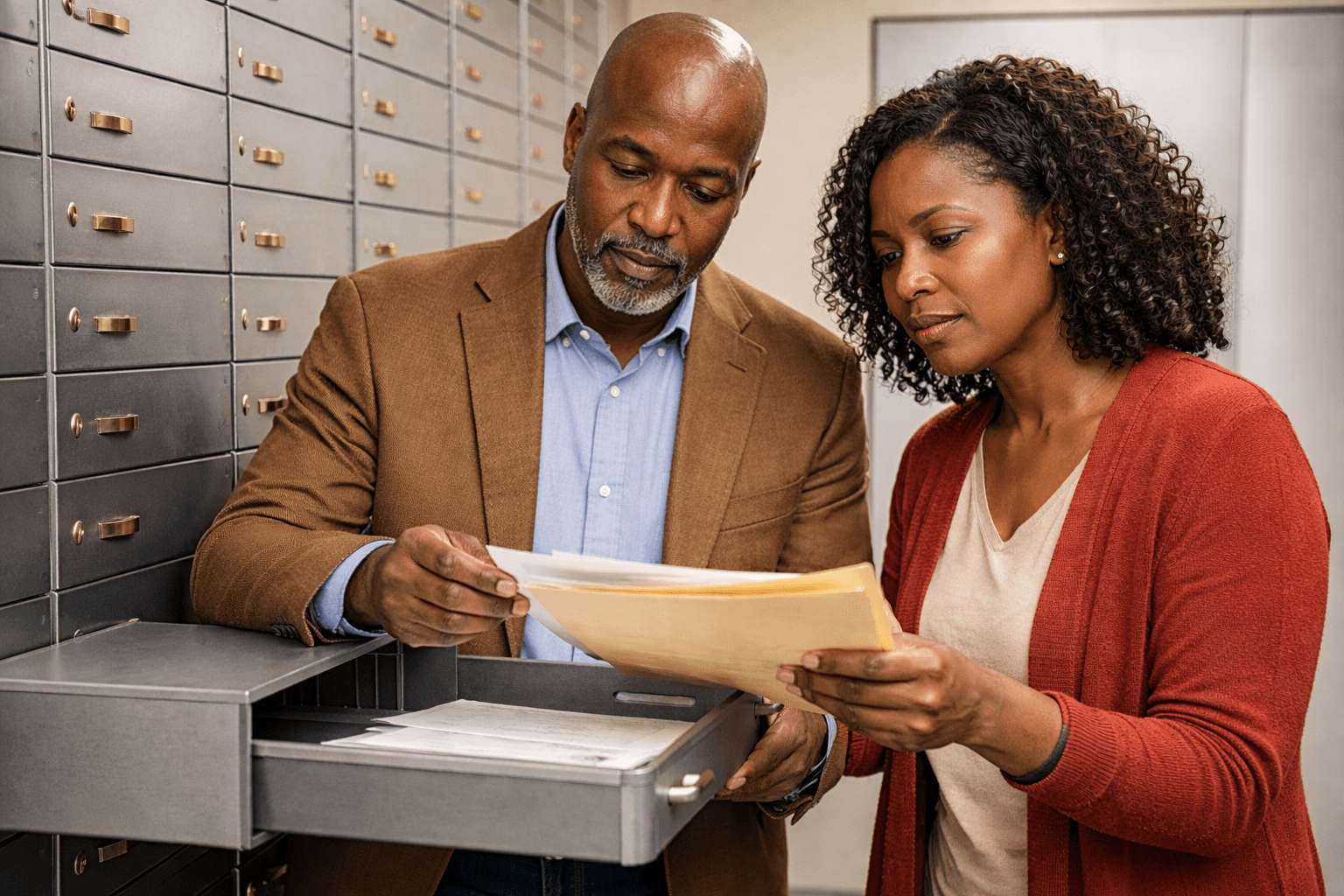
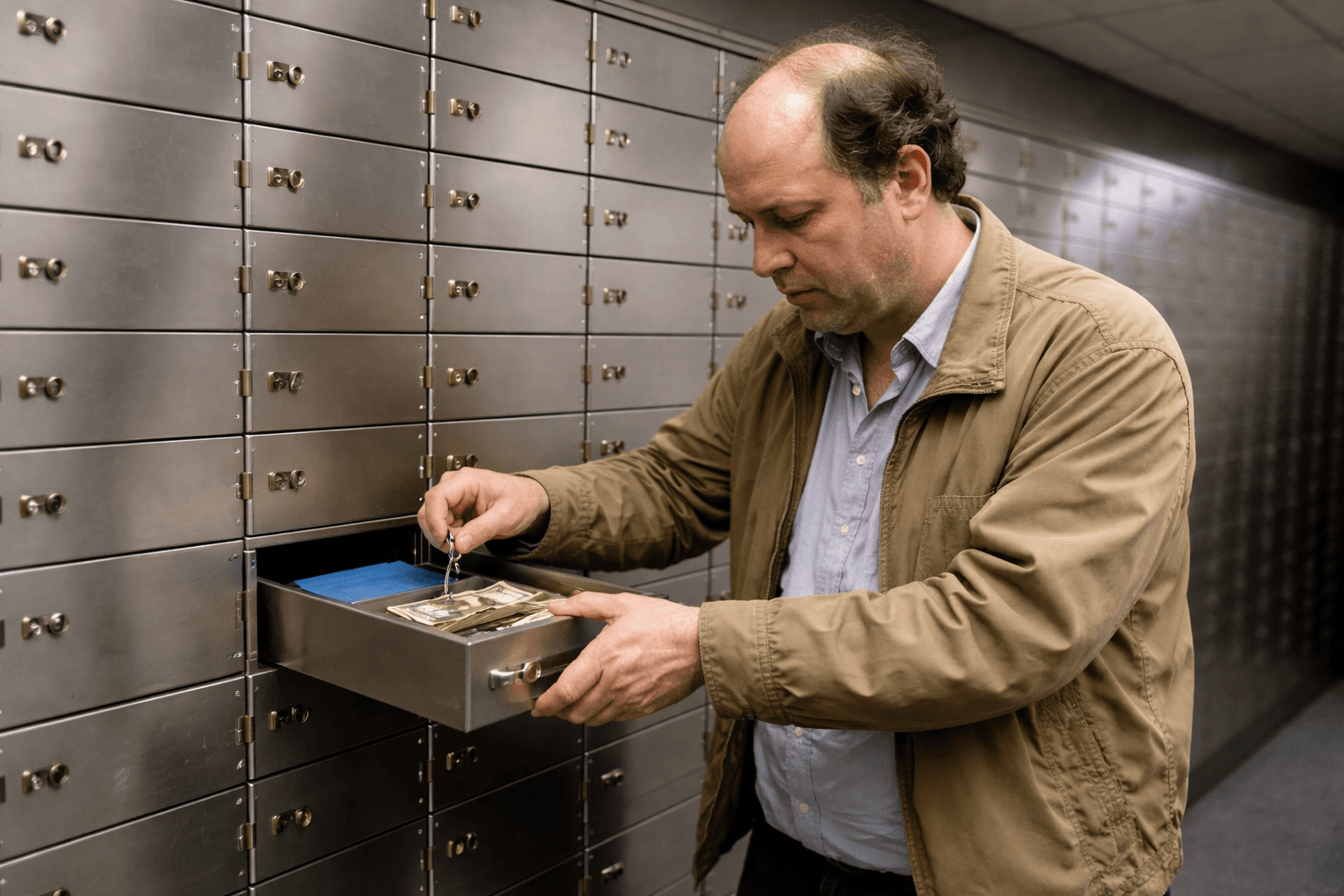
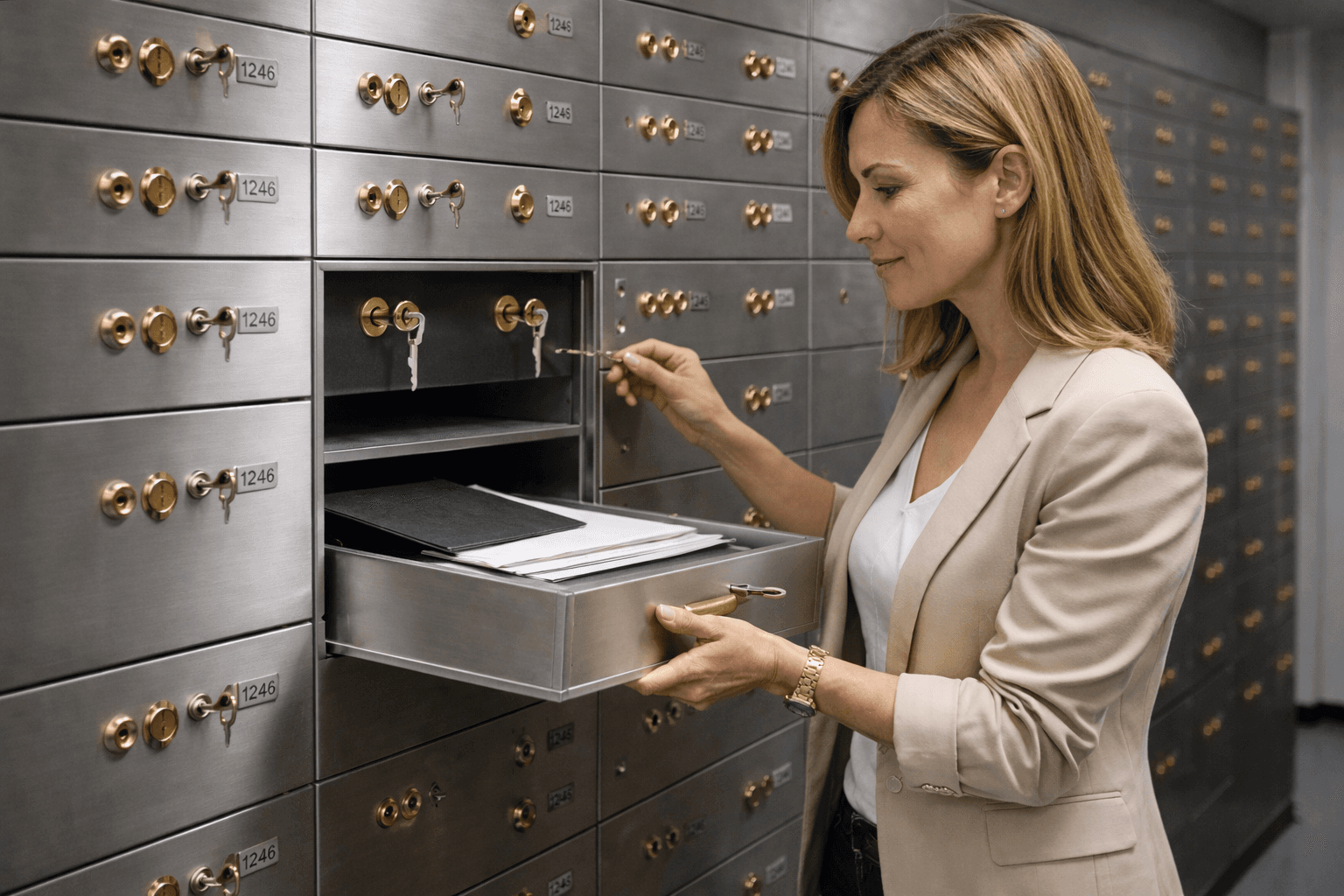
A: Physical safe deposit boxes are governed by bank policies and state law, and access often becomes more complicated after death.
In many situations, banks restrict access until specific legal documentation is provided. Even close family members can run into delays, especially if no one is clearly authorized to access the box right away.
On top of that, there’s the practical issue: A box is tied to a physical location and limited hours, and family members may not even know what was stored inside.
This can slow down time-sensitive tasks like filing insurance claims, locating wills and other estate documents, or handling immediate financial responsibilities.
Q: How do digital safe deposit boxes handle access after death?
A: Digital safe deposit boxes handle this differently by allowing the account holder to plan ahead.
Instead of relying on physical presence at a bank, modern systems can support continuity through trusted contacts, controlled access requests, and identity verification.
That doesn’t remove legal requirements, and it doesn’t replace estate planning. It helps ensure that when someone is legitimately responsible for managing affairs, they can find and use the information they need.
One example of this approach is Trustworthy’s Legacy Access. Legacy Access allows an account holder to name one or more trusted collaborators in advance — often an executor, adult child, or another person who would play a role after death.
If the time comes when access is needed, the collaborator must go through a secure identity verification process. This is designed to ensure that only the authorized person can gain access to the sensitive information stored in the account.
Until then, the collaborator receives a one-click email each year to verify their contact information. That annual verification helps keep the relationship current, so the account holder’s plan doesn’t quietly fail because someone changed emails or missed a message.
In practical terms, the collaborator role is meant to support real-world responsibilities after death — such as locating financial account information, tax records, insurance policies, and estate documents — so the account holder’s wishes can be carried out with less confusion and fewer delays.
What Happens During Incapacity
Q: What if you’re incapacitated?
A: Incapacity creates a different situation. You may be unable to communicate clearly or manage your own information.
In these cases, families often need immediate access to essentials like medical directives, power of attorney forms, insurance information, and time-sensitive financial or household records.
If your system depends on you being well enough to find and share documents, it may fail right when your family needs it to work.
A digital safe deposit box can help by allowing you to plan for controlled sharing while you’re still able to make decisions.
Q: How does shared access work during incapacity?
A: Modern systems, including Trustworthy, typically allow you to grant limited access based on the role and the situation, not a single all-or-nothing key to everything.
For example, you might allow an adult child to view insurance and medical information without seeing broader account details. Some people also set up temporary access for caregivers or trusted advisors, limited to the documents they truly need.
This kind of permission-based access is often what people mean when they’re looking for how digital vaults work in real life — not just storage, but safe sharing under pressure.
Legal Boundaries and Best Practices
Q: Does a digital safe deposit box replace a will or power of attorney?
A: No. A digital safe deposit box does not replace legal documents, and it does not grant legal authority by itself.
What it can do is make sure that the documents you’ve created — and the information the responsible people need — are findable and accessible without unnecessary scrambling. In other words, it supports you and the people carrying out your plan.
Q: What are best practices for setting this up properly?
A: Digital safe deposit boxes work best when you treat them as a living system, not a one-time upload.
A few best practices that reduce failure points:
Name trusted contacts well before they’re needed.
Review and update documents after major life changes.
Avoid over-sharing access — keep permissions specific.
Ensure key people know your system exists, so no one is guessing.
Continuity planning is one of the main reasons families choose digital vaults instead of physical safe deposit boxes. It’s not only about keeping things safe. It’s about ensuring the right people can act when life stops being predictable.
Why Continuity Is the Real Advantage
Q: What’s the biggest real-life advantage of a digital safe deposit box?
A: Security and convenience are extremely important, but they aren’t the full story. The bigger advantage is knowing that your information won’t become inaccessible if you’re hospitalized, lose capacity, or die.
In the moments that follow a crisis, “secure but unreachable” can be almost as problematic as “lost.”
That’s why a digital safe deposit box is increasingly seen as a modern alternative to a safe deposit box — not just a place to store documents, but a way to protect access over time.
Final Thoughts
If you’re considering a digital safe deposit box, it’s worth evaluating it through a continuity lens: not only how it stores documents, but how it helps the right people find them later, under real-world conditions.
A system that supports controlled sharing, trusted collaborators, and verified access can reduce confusion and delays — and make it far more likely that your wishes are actually carried out.
We’d love to hear from you! Feel free to email us with any questions, comments, or suggestions for future article topics.